In today’s digital-first world, a strong online presence begins with great web design. Whether you’re a small business owner, blogger, or aspiring web designer, understanding the fundamentals of web designing can help you build visually engaging, user-friendly websites that drive results.
This guide will walk you through the key concepts of web design, its benefits, and the best tools for designing websites in 2025.
What is Web Designing?
Web designing is the process of planning, creating, and organizing the visual and structural elements of a website. It involves everything from layout and color schemes to user experience (UX) and responsiveness.
A well-designed website enhances branding, increases engagement, and contributes to SEO performance.
Key Concepts of Web Design
Understanding these core principles is essential to creating websites that are both attractive and functional:
🔹 Layout
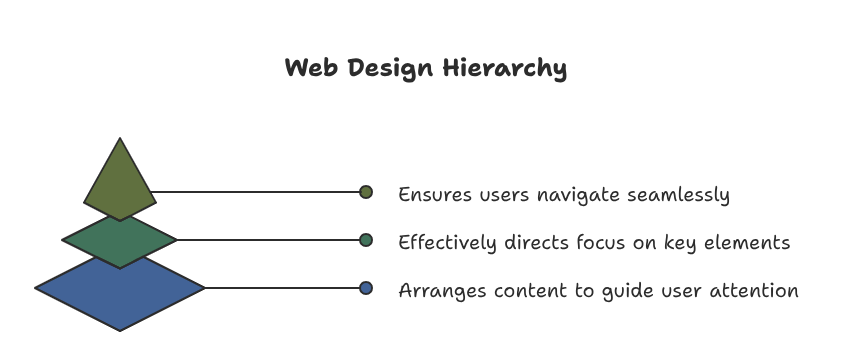
Defines how content is structured and arranged on each page to guide user attention effectively.
🔹 Color Scheme
Choosing complementary colors that align with your brand and improve readability and visual hierarchy.
🔹 Typography
Font choice, size, and spacing impact how users read and interact with your content.
🔹 Navigation
Menus and internal linking should be intuitive, guiding visitors to the information they need effortlessly.
🔹 Responsive Design
Ensures your website looks and works well across all devices, including desktops, tablets, and smartphones.
Benefits of Good Web Designing
Investing in high-quality web design leads to several long-term advantages:
1. Strong First Impressions
A professional design builds instant trust and makes your business look credible.
2. Better User Experience
Fast loading times, clean layouts, and mobile-friendly interfaces keep visitors engaged longer.
3. SEO Optimization
Search engines favor websites with clean code, logical structure, and great usability—boosting your visibility.
4. Brand Consistency
Consistent fonts, colors, and messaging across all pages reinforce your brand identity.
5. Increased Conversions
Clear CTAs, user-centric design, and persuasive visuals help improve signups, sales, or inquiries.
Popular Tools Used in Web Designing (2025)
Professional web designers use various tools to streamline the design and development process. Some of the top tools in 2025 include:
Adobe XD / Figma
Industry-standard tools for designing wireframes, UI mockups, and interactive prototypes.
WordPress
A powerful CMS that allows users to build and manage websites without advanced coding skills.
Canva
Great for creating website banners, hero images, infographics, and other visuals for non-designers.
Visual Studio Code (VS Code)
Preferred code editor for developers working with HTML, CSS, JavaScript, and other web technologies.
Bootstrap
A responsive front-end framework that accelerates the creation of mobile-friendly websites.
Importance of Web Designing for Businesses
A well-designed website is your digital storefront—often the first point of contact between your brand and potential customers.
Why Web Design Matters for Business:
- It builds trust and credibility
- Drives organic traffic through SEO
- Encourages customer interaction and conversion
- Helps your business stand out online
Whether it’s an eCommerce store, personal blog, or corporate website, web design is critical for achieving online success.
Conclusion
Understanding what web designing is and mastering its core principles can elevate your website’s performance in every area—from SEO and branding to user experience and conversions.
Use the right web design tools, focus on responsive layouts, and always design with your audience in mind.