Social Media Marketing is no longer just a place to share updates or photos. In 2026, it has evolved into one of the most powerful platforms for businesses to build brand awareness, connect with audiences, and generate leads. With billions of users across platforms like Instagram, Facebook, LinkedIn, and YouTube, social media has become essential for companies that want to stay competitive in the digital world.
Posting material alone, though, is no longer sufficient. Companies must have a well-thought-out social media marketing strategy that emphasizes data-driven choices, value-driven content, and interaction. The best social media tactics for 2026 will be covered in this comprehensive growth guide, along with how to apply them to expand your brand.
Why Social Media Marketing Matters in 2026
Social media platforms continue to influence how people discover brands, products, and services. Consumers often check a brand’s social media presence before making a purchase decision. A strong social media strategy helps businesses build credibility, improve customer relationships, and increase conversions.
In 2026, social media is not just about visibility; it is about building meaningful interactions. Platforms are prioritizing authentic content, user engagement, and personalized experiences. Businesses that understand these trends will have a significant advantage in reaching their target audience.
Understand Your Target Audience
One of the most important elements of social media marketing is understanding your audience. Successful brands focus on creating content that resonates with the needs, interests, and challenges of their followers.
Start by identifying your ideal customer profile. Consider factors such as age, location, profession, interests, and online behavior. Social media analytics tools can help you gather valuable insights about your audience.
Once you understand your audience, you can create content that addresses their problems and offers solutions. This approach builds trust and encourages long-term relationships with your followers.
Choose the Right Social Media Platforms
Not every social media platform is suitable for every business. Choosing the right platforms allows you to focus your efforts where your audience is most active.
For example, Instagram and TikTok are ideal for visual content and younger audiences. LinkedIn works best for B2B marketing and professional networking. Facebook remains a powerful platform for community building and advertising.
Instead of trying to be everywhere, focus on two or three platforms where you can consistently create high-quality content and engage with your audience.
Create High-Quality and Valuable Content
Content is the foundation of social media success. In 2026, platforms are prioritizing content that provides value, educates audiences, and encourages interaction.
A successful content strategy includes a mix of formats such as educational posts, short videos, infographics, behind-the-scenes content, and customer success stories. Short-form videos, especially reels and shorts, continue to dominate social media engagement.
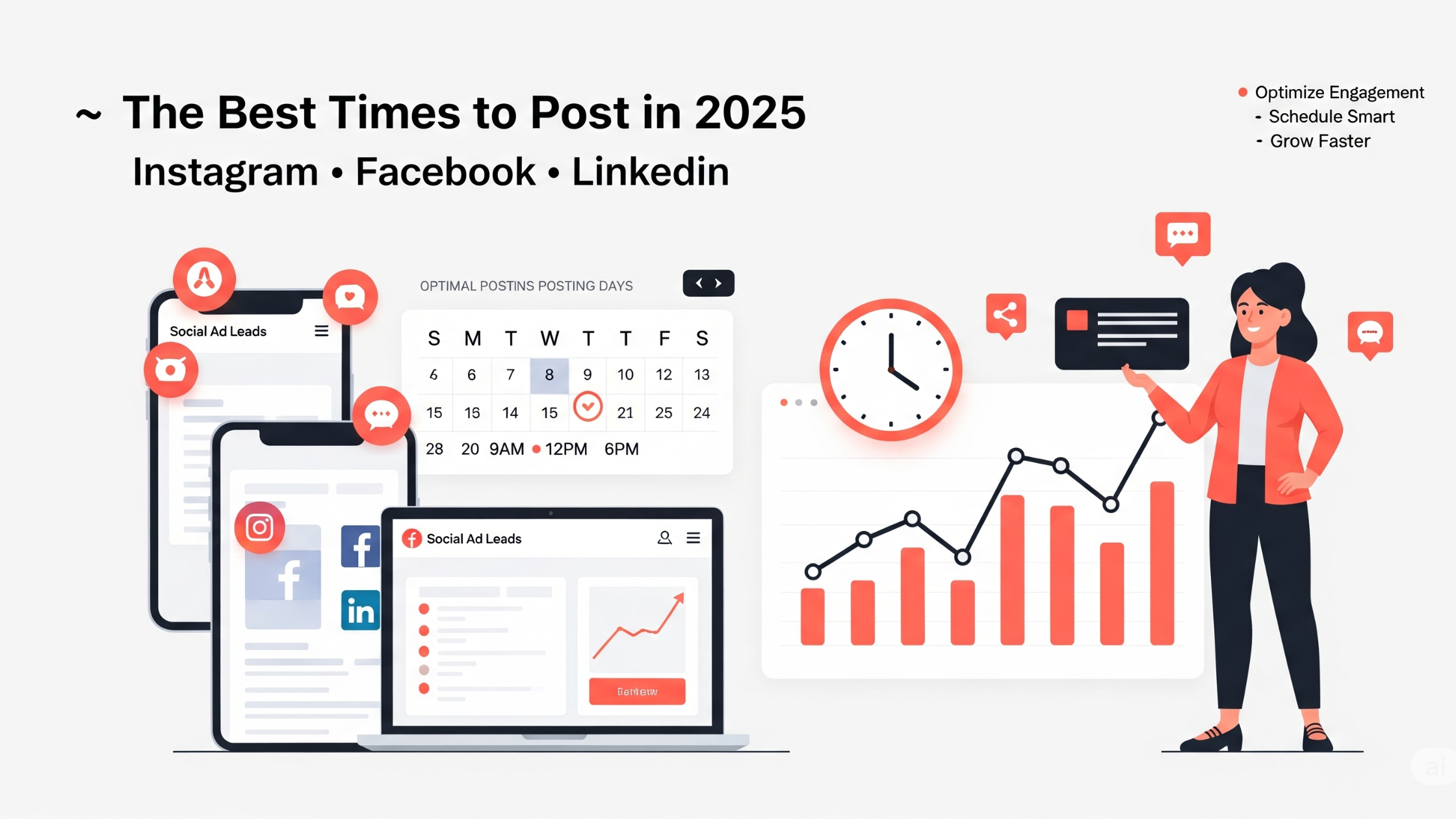
Your content should focus on solving problems, answering common questions, and sharing useful insights related to your industry. Consistency is also important. Posting regularly helps keep your audience engaged and increases your visibility in social media algorithms.

Focus on Engagement and Community Building
Social media is a two-way communication channel. Brands that actively interact with their audience tend to build stronger relationships and higher loyalty.
Responding to comments, answering questions, and engaging with followers shows that your brand values its community. Encouraging discussions through polls, questions, and interactive content can also increase engagement.
In 2026, successful brands will focus more on building communities rather than just gaining followers. A loyal community can become your biggest marketing asset.
Leverage Influencer and Creator Partnerships
Influencer marketing continues to grow as a powerful strategy in social media marketing. Collaborating with influencers or content creators allows brands to reach new audiences and build credibility.
However, authenticity is crucial. Instead of focusing only on large influencers, many brands are working with micro-influencers who have highly engaged audiences.
Choose influencers who align with your brand values and audience. A genuine collaboration can drive better engagement and trust compared to traditional advertising.
Use Data and Analytics to Improve Performance
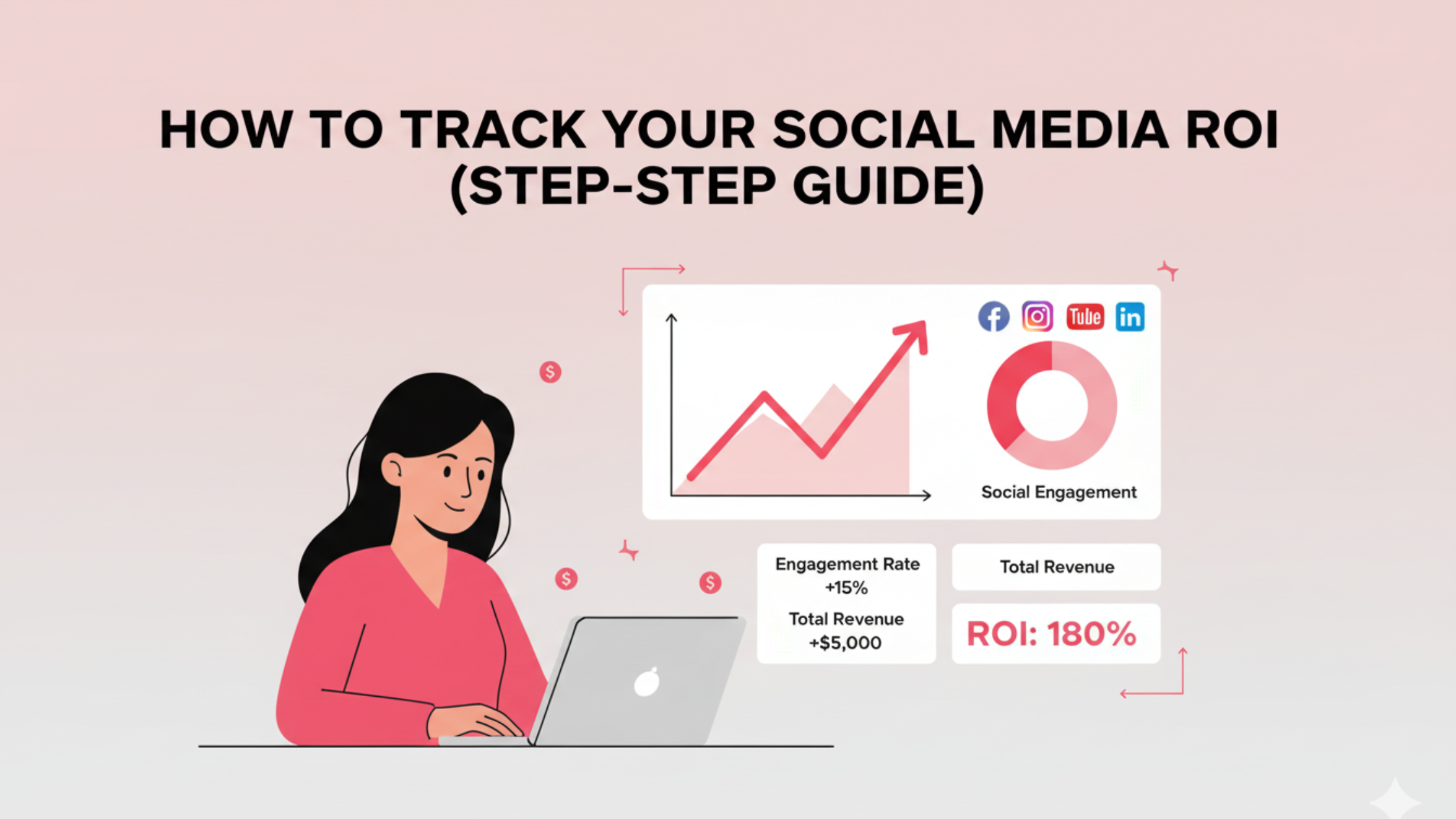
Social media marketing should always be guided by data. Analytics tools provide insights into which types of content perform best and which strategies generate results.
Important metrics to track include engagement rate, reach, impressions, click-through rate, and conversion rate. By analyzing this data, you can refine your strategy and focus on content that resonates with your audience.
Regular performance reviews help businesses adapt to changes in social media algorithms and audience preferences.
Invest in Paid Social Media Advertising
Organic reach on social media can be limited, especially for new businesses. Paid advertising helps brands expand their reach and target specific audiences more effectively.
Platforms like Facebook, Instagram, and LinkedIn offer advanced targeting options that allow businesses to reach users based on demographics, interests, and online behavior.
A balanced strategy that combines organic content with paid advertising can significantly improve brand visibility and lead generation.
Stay Updated with Social Media Trends
Social media evolves rapidly. What works today may not work tomorrow. Staying updated with the latest trends and platform updates is essential for long-term success.
In 2026, trends such as AI-driven content personalization, interactive content, short-form videos, and social commerce will play a major role in social media marketing.
Businesses that adapt quickly to these changes will have a competitive advantage in reaching and engaging their audience.
businesses
FAQ Schema Questions for SEO
1. What is a social media marketing strategy?
A social media marketing strategy is a structured plan that helps businesses create, publish, and manage content on social media platforms to achieve goals like brand awareness, engagement, and sales.
2. Why is social media marketing important in 2026?
Social media marketing is important in 2026 because it helps brands connect directly with their audience, build trust, increase visibility, and drive traffic and conversions through platforms like Instagram, Facebook, LinkedIn, and YouTube.
3. Which social media platforms are best for marketing in 2026?
The most effective social media platforms in 2026 include Instagram, Facebook, LinkedIn, YouTube, and TikTok. The best platform depends on your target audience and business goals.
4. How often should businesses post on social media?
Most businesses should post 3–5 times per week on major platforms. Consistency is more important than frequency to maintain engagement and audience growth.
5. What type of content works best on social media in 2026?
Short-form videos, educational posts, interactive content, user-generated content, and authentic storytelling perform best on social media in 2026.
6. How can businesses increase social media engagement?
Businesses can increase engagement by posting valuable content, responding to comments, using trending formats like reels or short videos, and maintaining a consistent posting schedule.
7. What are the biggest social media marketing trends in 2026?
Major trends include AI-powered content creation, short-form video dominance, community-driven marketing, personalized content, and influencer collaborations.
8. How do you measure social media marketing success?
Social media success can be measured through metrics such as engagement rate, reach, follower growth, website traffic, and conversions generated from social platforms.