
What Is Off-Page SEO?
Off-page SEO (short for Off-Page Search Engine Optimization) refers to all actions taken outside your website to improve its rankings in search engine results. It focuses on enhancing your site’s authority, reputation, and relevance through external signals such as backlinks, brand mentions, and social media engagement.
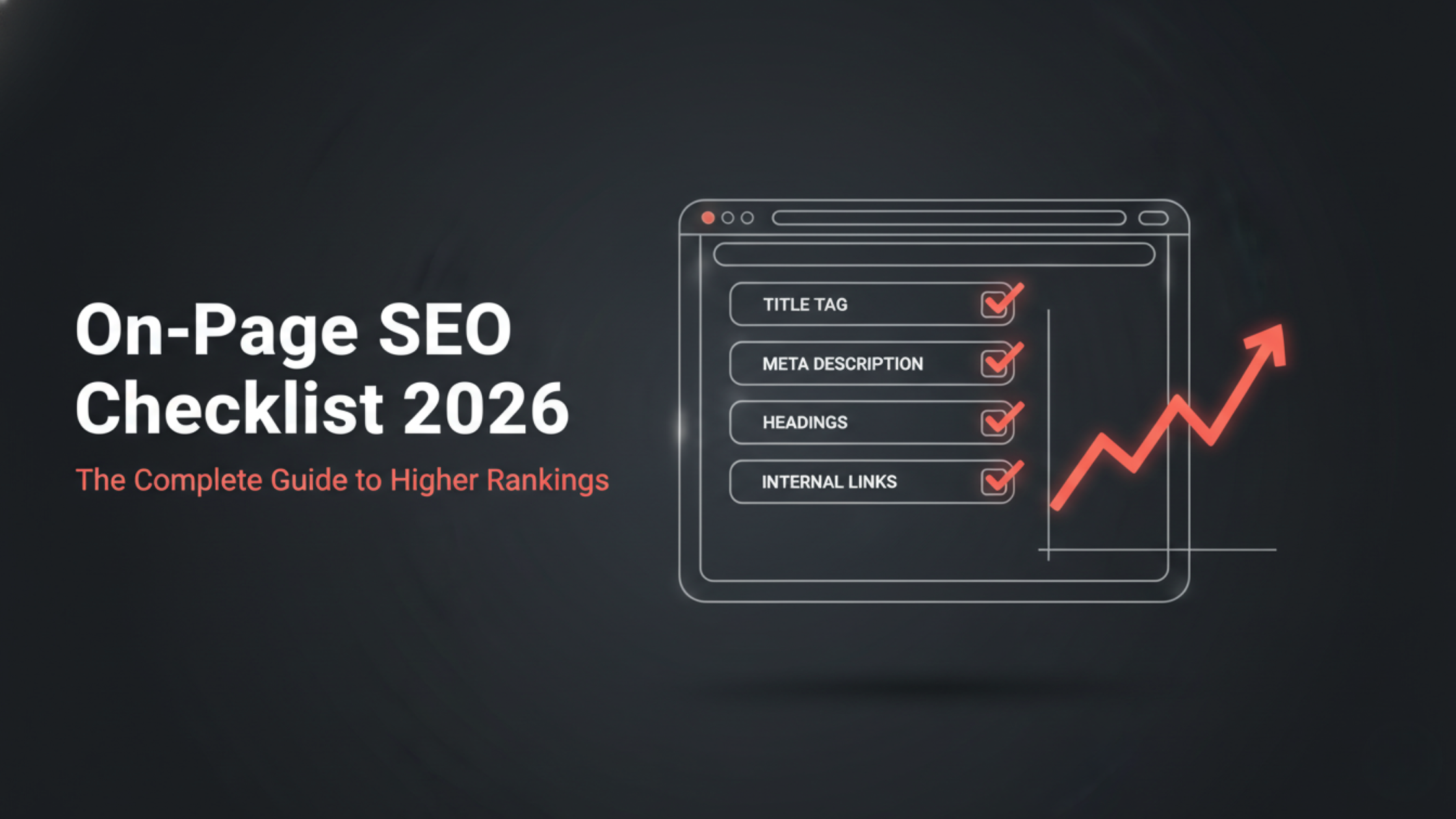
Unlike on-page SEO, which involves optimizing content and technical elements on your website, off-page SEO strategies aim to build your site’s trustworthiness and popularity across the web.
Why Is Off-Page SEO Important?
Search engines like Google treat backlinks as votes of confidence. The more high-quality, relevant backlinks your website earns, the more likely it is to rank higher in search results.
Key Benefits of Off-Page SEO:
- Improves your website’s Domain Authority (DA)
- Helps pages rank higher on Google
- Increases referral traffic from other sources
- Boosts brand awareness and credibility
- Signals trustworthiness to search engines and users
In short, off-page SEO is essential for building long-term online visibility.
5 Proven Off-Page SEO Techniques
Here are the top off-page SEO strategies that can help strengthen your online presence and boost search rankings:
1. Link Building (Backlinks for SEO)
Link building is the process of acquiring backlinks from external websites to your own. These links are a critical ranking factor in Google’s algorithm.
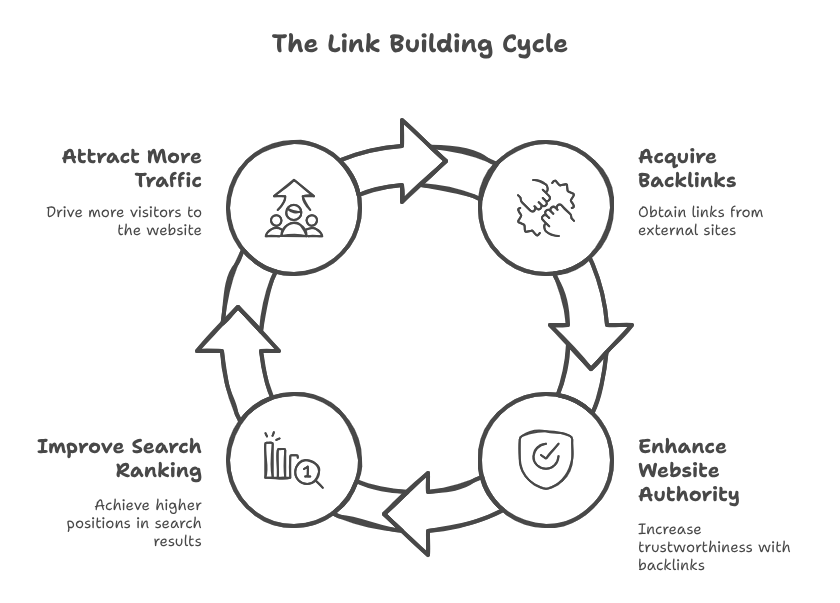
The more authoritative websites that link to you, the more trustworthy your website appears to search engines.
You can measure backlink strength using tools like Ahrefs Domain Rating or Semrush Authority Score, which evaluate link quality, quantity, and traffic.
2. Broken Link Building
Broken link building involves identifying broken external links on other websites and offering your own content as a replacement.
Example:
If a popular blog has a dead link to an outdated guide, you can reach out, inform them, and suggest your updated version instead.
Tools to use:
- Semrush Backlink Analytics
- Ahrefs Broken Link Checker
- Check My Links Chrome Extension
This tactic helps you gain backlinks while helping others maintain their site’s quality.
3. Content Marketing (Off-Site Distribution)
While content marketing often starts with your blog, off-page SEO includes sharing your content on third-party platforms, such as:
- Medium
- LinkedIn Articles
- Guest blogs
- Press release websites
- Industry publications
Publishing high-quality, shareable content boosts your E-E-A-T signals (Experience, Expertise, Authoritativeness, Trustworthiness) and helps earn natural backlinks.
4. Social Media SEO
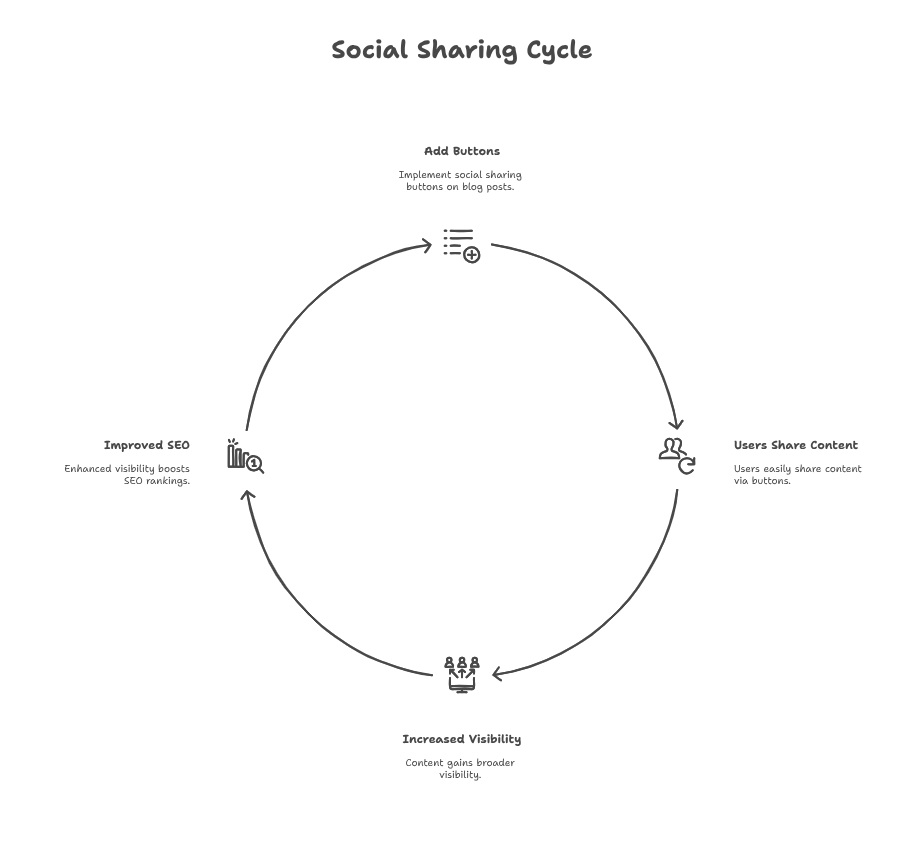
Social media plays a key role in off-page SEO by increasing content reach and driving traffic.
Platforms like Facebook, LinkedIn, Instagram, X (Twitter), Pinterest, and YouTube can:
- Amplify your content
- Encourage shares and engagement
- Generate brand mentions
- Indirectly improve search rankings through user activity and visibility
Tip: Add social sharing buttons on your blog posts to make it easier for users to share your content.
5. Guest Posting & Influencer Outreach
Guest posting on reputable industry blogs allows you to:
- Get high-quality backlinks
- Build authority and audience trust
- Expand your reach to new audiences
Influencer outreach also helps by earning brand mentions and shares from trusted voices in your niche — improving SEO and building credibility.
On-Page SEO vs. Off-Page SEO
| Aspect | On-Page SEO | Off-Page SEO |
|---|---|---|
| Focus Area | Inside the website (content, HTML, structure) | External signals (backlinks, mentions, shares) |
| Examples | Meta tags, keywords, internal links | Backlinks, social media, guest posts |
| Control | Full control | Indirect control |
| Goal | Optimize user experience and crawlability | Improve authority, trust, and visibility |
Both are crucial components of a comprehensive SEO strategy. Combine both for maximum impact.
Final Thoughts
Mastering off-page SEO is essential for boosting your website’s domain authority, organic traffic, and search visibility in 2025 and beyond.
By focusing on high-quality backlinks, social media presence, influencer relationships, and strategic content marketing, you can build a strong online reputation that search engines trust.