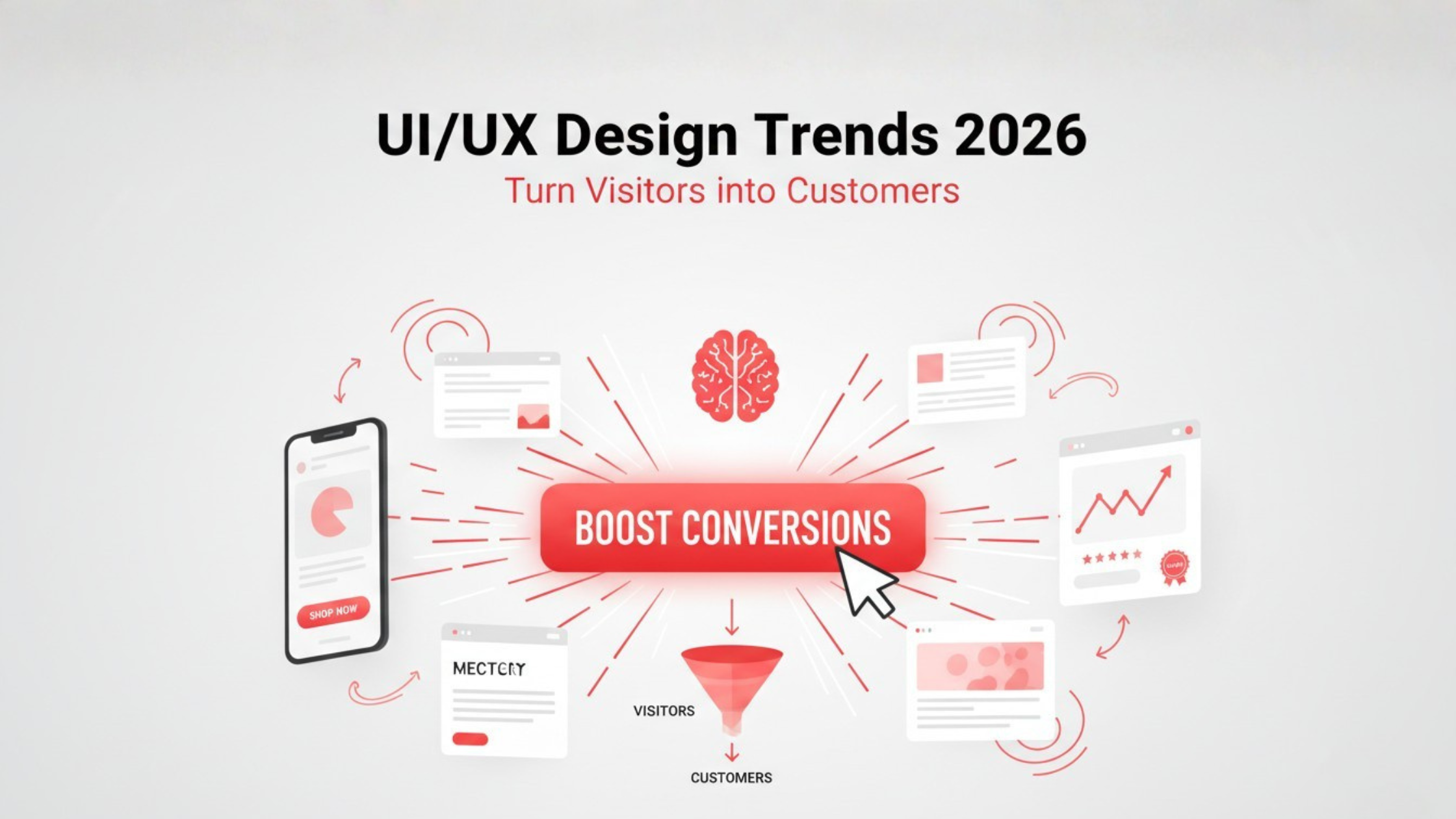
In 2026, UI/UX design trends is no longer just about making websites look beautiful — it’s about creating conversion-driven digital experiences. Businesses that understand this are seeing higher engagement, lower bounce rates, and significantly better ROI.
If your website isn’t converting visitors into leads or customers, the problem may not be your traffic — it could be your design.
In this guide, we’ll explore the latest UI/UX design trends to boost conversions in 2026, and how you can implement them strategically to maximize results.
Why UI/UX Design trends Directly Impacts Conversions
Before diving into trends, let’s understand something crucial:
Good design builds trust. Great design drives action.
Users form an opinion about your website in less than a second. If your interface feels outdated, confusing, or slow, they leave. Modern UI/UX focuses on:
- Faster decision-making
- Reduced friction
- Emotional engagement
- Seamless navigation
- Clear conversion pathways
In 2026, user experience is your biggest competitive advantage.
1. AI-Powered Personalized Experiences
Personalization is no longer optional — it’s expected.
Websites now use AI to dynamically adjust content based on:
- User behavior
- Location
- Device
- Browsing history
- Purchase patterns
Why It Boosts Conversions:
When users see content tailored to their needs, they feel understood. This reduces hesitation and increases trust.
Example:
An eCommerce website showing product recommendations based on browsing history can increase sales dramatically.
Implementation Tip:
Use AI-driven recommendation engines, dynamic landing pages, and personalized CTAs.
2. Minimalist Interfaces with Bold Typography
Clutter kills conversions.
In 2026, high-performing websites embrace:
- Clean layouts
- Generous white space
- Bold typography
- Clear visual hierarchy
Minimalism makes content easier to scan and understand.
Why It Works:
Users don’t want to “figure out” your website. They want clarity.
Bold headlines combined with focused messaging guide users directly to the action button.
3. Micro-Interactions That Guide User Behavior
Micro-interactions are small animations or feedback elements triggered by user actions.
Examples:
- Button hover effects
- Subtle loading animations
- Progress indicators
- Success confirmations
Why They Matter:
They provide instant feedback, making users feel in control.
Micro-interactions reduce uncertainty — and uncertainty reduces conversions.
4. Dark Mode & Adaptive Design Preferences
Dark mode continues to dominate in 2026. Users now expect:
- Light/dark theme toggle
- System-based theme adaptation
- Eye-friendly color schemes
Conversion Impact:
When users feel comfortable browsing longer, engagement increases — leading to higher conversion rates.
Adaptive design isn’t just about responsiveness anymore. It’s about user comfort.
5. Voice User Interface (VUI) Integration
With the rise of smart devices and voice search, integrating voice UI elements is becoming mainstream.
Examples:
- Voice search bars
- Voice-assisted navigation
- Conversational interfaces
Why It Boosts Conversions:
Voice interactions reduce friction and improve accessibility.
The easier it is for users to find what they need, the more likely they are to convert.
6. Scroll-Based Storytelling
Modern websites are turning static pages into interactive stories.
Scroll-triggered animations, content reveals, and dynamic transitions create immersive experiences.
Benefits:
- Higher engagement time
- Better brand recall
- Clear product explanation
- Emotional connection
When users feel involved in the journey, they are more likely to take action.
7. Conversion-Focused UX Writing
UI/UX design isn’t just visual — it’s also verbal.
In 2026, brands are investing heavily in:
- Clear microcopy
- Benefit-driven headlines
- Conversational CTAs
- Trust-building messaging
Instead of “Submit,” high-converting websites use:
- “Get My Free Quote”
- “Start My Free Trial”
- “Claim My Discount”
Words influence action.
8. Mobile-First, Thumb-Friendly Design
Mobile traffic dominates in 2026. If your website isn’t optimized for mobile-first experience, you’re losing conversions.
Key mobile UX trends:
- Sticky CTAs
- Larger tap targets
- One-hand navigation
- Fast-loading pages
- Simplified forms
Why It Matters:
Users don’t tolerate slow or complicated mobile experiences.
Speed + Simplicity = Higher conversions.
9. Trust-Driven UI Elements
Trust is a conversion trigger.
Modern UI integrates:
- Live reviews
- Real-time notifications
- Social proof pop-ups
- Verified badges
- Transparent pricing
Psychology Behind It:
When users see others buying, subscribing, or reviewing positively, they feel safer making decisions.
Trust elements reduce hesitation.
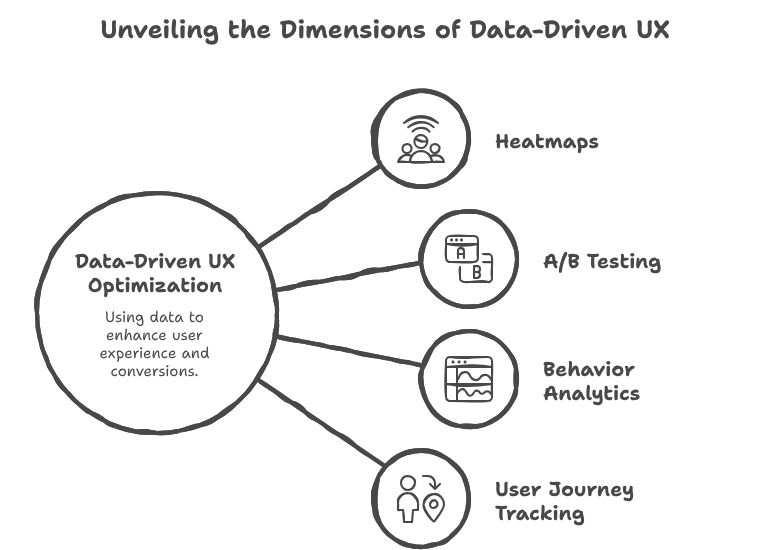
10. Data-Driven UX Optimization
Guesswork is outdated.
High-converting websites now use:
- Heatmaps
- A/B testing
- Behavior analytics
- User journey tracking
Why It Boosts Conversions:
Instead of assuming what works, brands analyze real user behavior and optimize accordingly.
Even small UX tweaks can increase conversions by 10–30%.
et’s summarize the most impactful trends:
- AI personalization increases relevance
- Minimalism improves clarity
- Micro-interactions build engagement
- Dark mode enhances comfort
- Voice UI reduces friction
- Scroll storytelling builds emotion
- UX writing drives action
- Mobile-first improves usability
- Trust elements increase confidence
- Data-driven design ensures growth
The biggest shift in 2026 is simple:
Design is no longer decorative — it’s strategic.
How to Implement These Trends in Your Business
You don’t need to redesign everything at once.
Start with:
- Improving page speed
- Simplifying your homepage layout
- Optimizing your CTAs
- Adding trust signals
- Testing variations with A/B testing
Small improvements compound into major growth.
Final Thoughts
The digital landscape in 2026 is more competitive than ever. Businesses that treat UI/UX as a growth tool — not just an aesthetic element — will dominate their markets.
If your website looks good but doesn’t convert, it’s time to rethink your strategy.
Remember:
Great design attracts visitors. Strategic UI/UX converts them.